Simien MountainsOutstanding Nature Tours

Travel information

Plan your trip with confidence

Practical guidance for trekking and travelling across Ethiopia and East Africa — from the Simien highlands and northern circuit to the Danakil, Harar, the Omo Valley and the great safari grounds. Where official rules apply, always confirm the latest requirements before you go.

Best Time to Visit

Season by season, what to expect across Ethiopia.

Ethiopia's northern highlands are at their most inviting during the dry season, roughly October to March. Expect clear skies, crisp mornings and superb visibility from the mountain viewpoints.

The green season (June to September) blankets the landscape in lush colour and wildflowers, but brings more frequent rain, especially in the afternoons. Trails can be muddy higher up.

The shoulder months of September–October and March–April often combine reasonable weather with fewer travellers. We can advise on the best window for your specific itinerary.
Weather & Climate

Climate, temperature swings and what to wear.

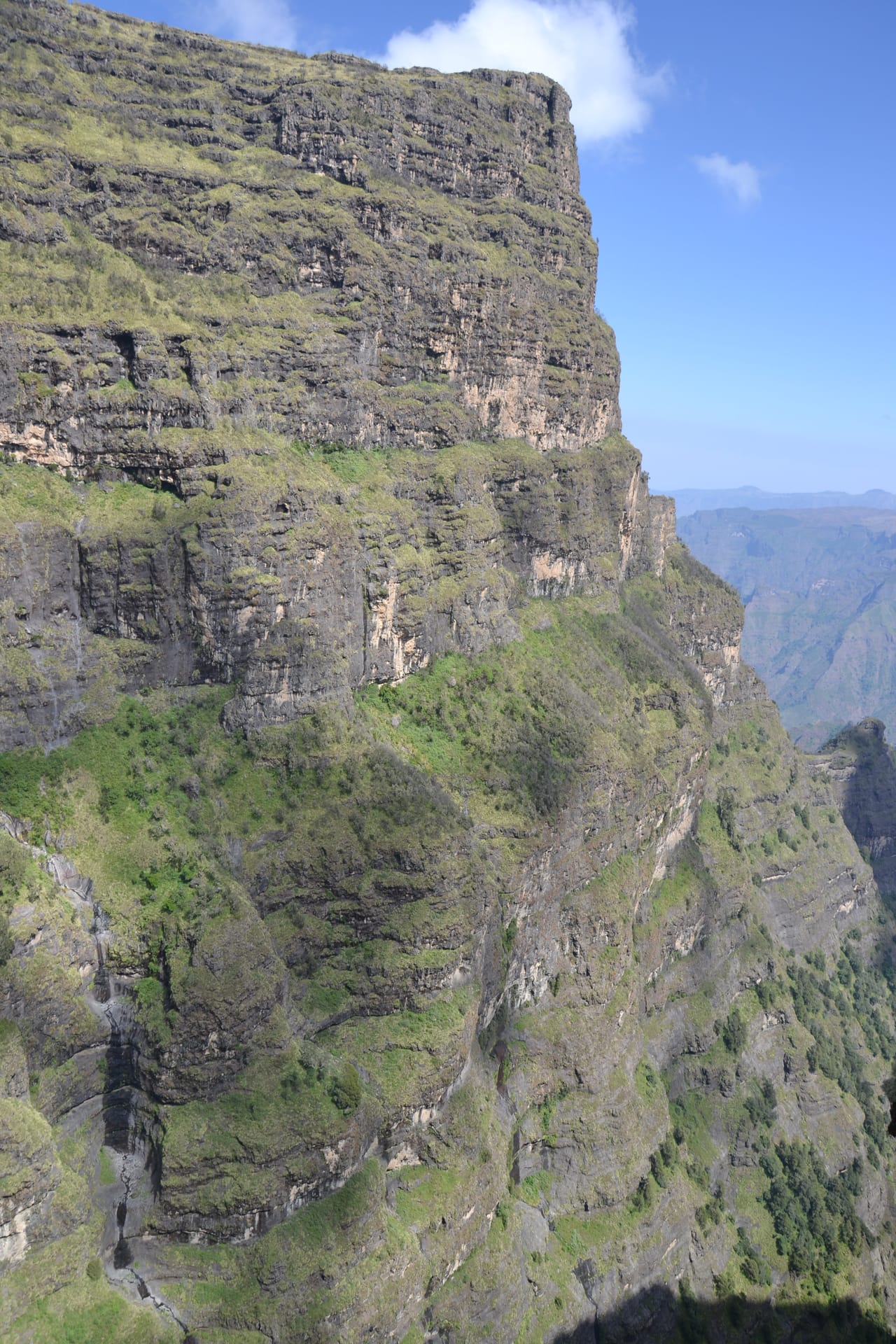
Altitude is the defining factor. At 3,000–4,000m the air is thin, the sun is strong, and nights can drop close to freezing even in the dry season.

A typical dry-season day might be 18–22°C in the sun, falling to 3–8°C after dark at camp. In the rainy season, expect warm afternoons punctuated by short, heavy showers.

Pack for all of it: sun protection, layers you can add or remove, and a warm mid-weight layer for the evenings on the escarpment.

Park Permits & Guides

What you need to enter Simien Mountains National Park.

Entry to the Simien Mountains National Park requires a park permit and the services of a licensed local guide.

As your operator we arrange your permits and licensed guides as part of your booking, so you don't need to worry about the paperwork at the gate.

Times at the park gate can be slow on busy days, so we plan for an early start from Debark.

Packing for the Highlands

A practical packing list for trekking and travel.

Altitude means big temperature swings: warm days and genuinely cold nights. Layers are the key.

Essentials include warm layers, a waterproof jacket, broken-in trekking boots, sun protection, a reusable water bottle and a headlamp.

For cultural sites, pack modest clothing that covers shoulders and knees. We provide a detailed, tour-specific list at booking.

If you're on a guided trek, your luggage travels by mule — you need only carry a light day-pack on the trail.

Getting There

Flights and road connections across Ethiopia.

Most travellers arrive via Addis Ababa (Bole International Airport). From there, domestic flights link to destinations across Ethiopia — Gondar, Lalibela, Axum, Bahir Dar, Dire Dawa, Jimma and more.

Gondar is the usual gateway to the Simien Mountains, about a three-hour drive from the park gate at Debark.

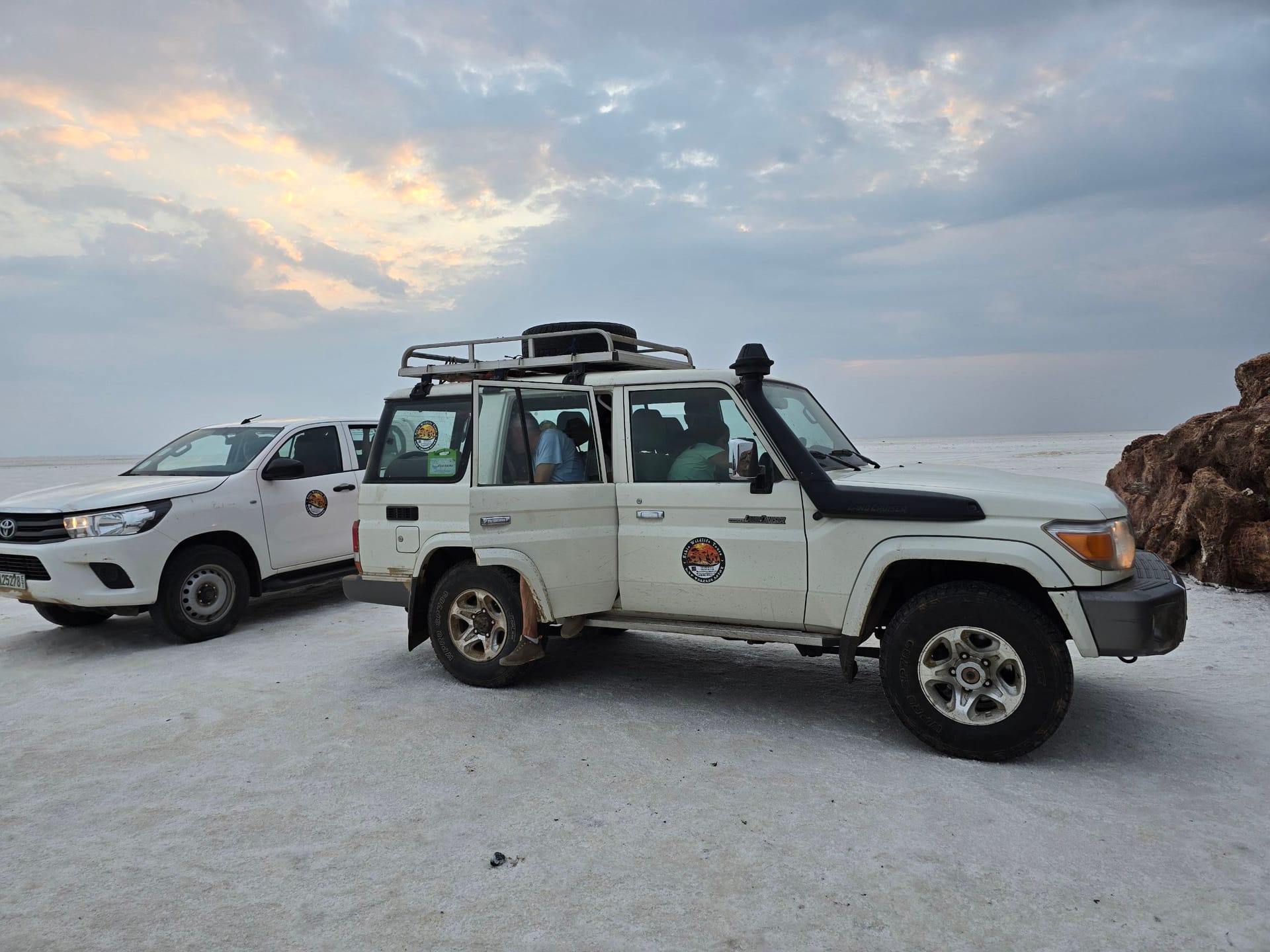
Ethiopia's circuit destinations can also be connected by private 4x4, which we arrange as part of your itinerary.

Health & Safety

Altitude, sensible precautions and travelling well.

The main consideration when trekking in Ethiopia is altitude. We ascend gradually, build in acclimatisation and adapt pace to you. Tell us about any medical conditions at booking.

Carry any personal medication you need, and check current travel-health advice for Ethiopia before you leave.

Comprehensive travel insurance covering trekking activity is required for multi-day treks.

On the trail our guides carry first-aid kits and know the nearest access to help in an emergency.

Food & Drink

What you'll eat across Ethiopia and along the route.

Ethiopian food is rich, shared and full of flavour. Injera, a spongy sourdough flatbread, accompanies most meals, served with stews of meat, lentils and vegetables.

In the mountains, our camp cooks prepare fresh, hearty trekking meals — with vegetarian options always available. City hotels and lodges offer plenty of choice.

Only drink bottled or filtered water in Ethiopia, and always ask about ice. Your guide will help you find clean, reputable places to eat.

Coffee is a highlight: Ethiopia is the birthplace of the bean, and a traditional coffee ceremony is a wonderful thing to experience.

Money & Communication

Currency, card use, SIMs and staying connected.

The local currency is the Ethiopian Birr (ETB). ATMs work in cities including Addis Ababa, Gondar, Lalibela and Dire Dawa; carry some cash for smaller towns and tips.

Major hotels and some lodges accept cards, but smaller operators and village shops are cash-only — so plan your cash as you move between regions.

Ethiopia now uses a floating exchange-rate system; amounts quoted in foreign currency such as USD or EUR are converted at the current rate.

Local SIM cards with data are inexpensive and coverage is good in towns but intermittent on the high trails. We can help you arrange a SIM on arrival.

Visas & Entry

Entry formalities for Ethiopia.

Most nationalities require a visa for Ethiopia. Requirements change, so verify the latest official guidance via the e-visa portal or your nearest embassy. We can help confirm current entry requirements at booking.

Ensure your passport has at least six months' validity remaining and enough blank pages for entry stamps.

Keep your passport and visa documentation safe while travelling, and carry a small photocopy as a backup.

Etiquette & Customs

Respecting local culture and customs.

Ethiopia is warm and welcoming, and a little cultural awareness goes a long way. Greet people with a handshake and a smile, and accept invitations to share food or coffee graciously.

Dress modestly at religious sites — cover shoulders and knees, and remove shoes where indicated. Photography may be restricted inside churches.

Always ask permission before photographing people. A smile in return is the usual reward.

Ethiopia follows its own calendar and timekeeping (the day begins at sunrise). Guides will handle scheduling, but knowing a little about the culture enriches every interaction.

Responsible Travel

Travelling respectfully across Ethiopia.

Ethiopia's protected landscapes — from the Simien Mountains to the Bale highlands and beyond — are fragile and precious. We follow park rules, carry out everything we carry in, and keep to established trails.

Be respectful when photographing people and always ask first. Supporting local guides, porters and businesses helps the communities who call these landscapes home.

Please don't feed or disturb the wildlife — admiring from a respectful distance keeps both you and the animals safe.

The income from your visit supports both conservation and the livelihoods of the people who live around these protected areas.

Travel Insurance

Why insurance is essential for trekking in Ethiopia.

Comprehensive travel insurance that covers trekking activity is required for multi-day treks in the Simien Mountains. It protects against medical emergencies, evacuation and trip disruption.

Make sure your policy explicitly covers high-altitude trekking (most standard policies exclude it). Confirm the maximum altitude it covers — our treks regularly sit at 3,000–4,500m.

Keep a copy of your policy details and emergency contact numbers with you, and let your guide know of any significant medical conditions before you set off.

Fitness & Training

How fit you need to be, and how to prepare.

Day walks demand little more than general mobility and comfortable walking shoes. Multi-day treks at altitude are more demanding: we recommend a reasonable level of fitness built up before departure.

The best preparation is regular walking or hiking with a day-pack, several months before your trip, including some uphill work and longer weekend walks to build endurance.

Altitude, rather than steepness, is usually the bigger challenge. A measured pace, good hydration and proper acclimatisation make the effort far more enjoyable.

Altitude Sickness

Understanding and managing high altitude.

At the altitudes found across Ethiopia's highlands many visitors feel some mild effects — breathlessness, headaches, poor sleep. These are common and usually resolve with rest and hydration.

More serious altitude sickness is rare but possible. The key preventive steps are ascending gradually, building in acclimatisation days and not pushing on if symptoms develop.

Tell your guide about any symptoms — their job is to manage pace and descent safety. General guidance for anyone with concerning symptoms is to stop ascending and, if severe, descend to lower altitude.

Speak with a travel-health professional before your trip about personal risk and any medication options suited to you.

Tipping Guide

A simple guide to tipping in Ethiopia.

Tipping is customary and appreciated in Ethiopia. The amount is entirely at your discretion and linked to the quality of service, but a simple guide helps plan for it.

For guides, cooks, muleteers and drivers, a reasonable daily amount in local currency is a common practice. Your operator can provide guidance on appropriate figures at booking.

Cash in Ethiopian Birr is the easiest way to tip on the trail; itineraries are often arranged so you can withdraw cash in major towns before heading out.

Official requirements always take priority

Visa and entry requirements change over time and vary by nationality. Before booking or travelling, please confirm the latest official guidance from the relevant authorities or your nearest embassy. We're happy to help clarify current requirements when you enquire.

Season by season

When to go

Ethiopia changes character through the year — pick the season that suits the trip you're dreaming of.

October – March

The classic travel window

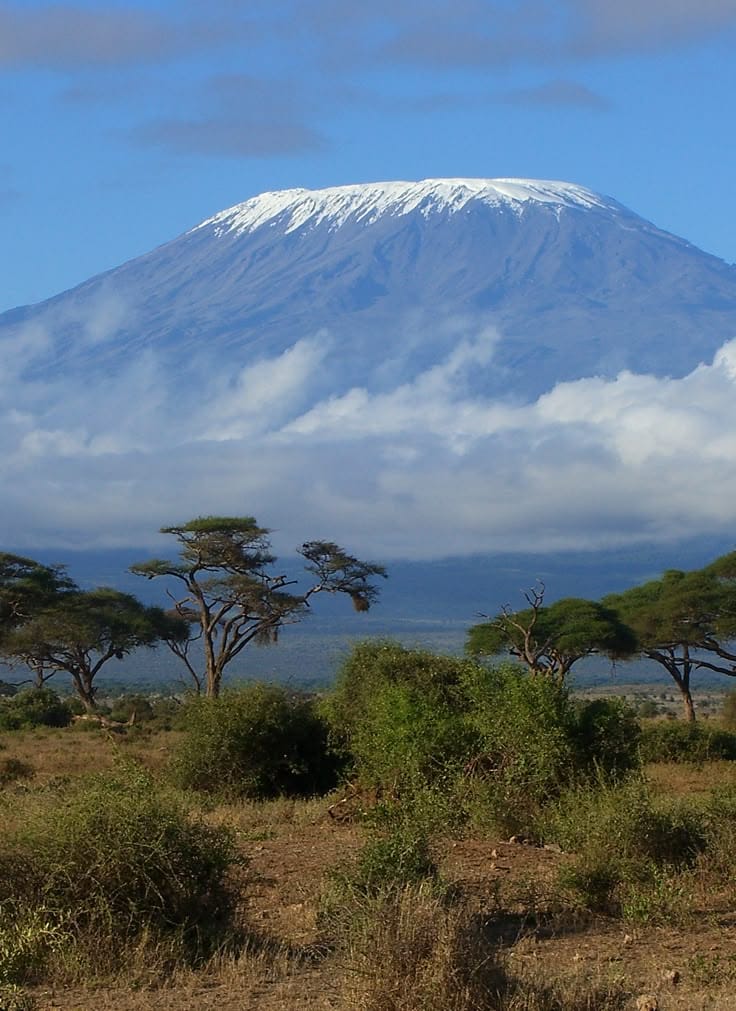
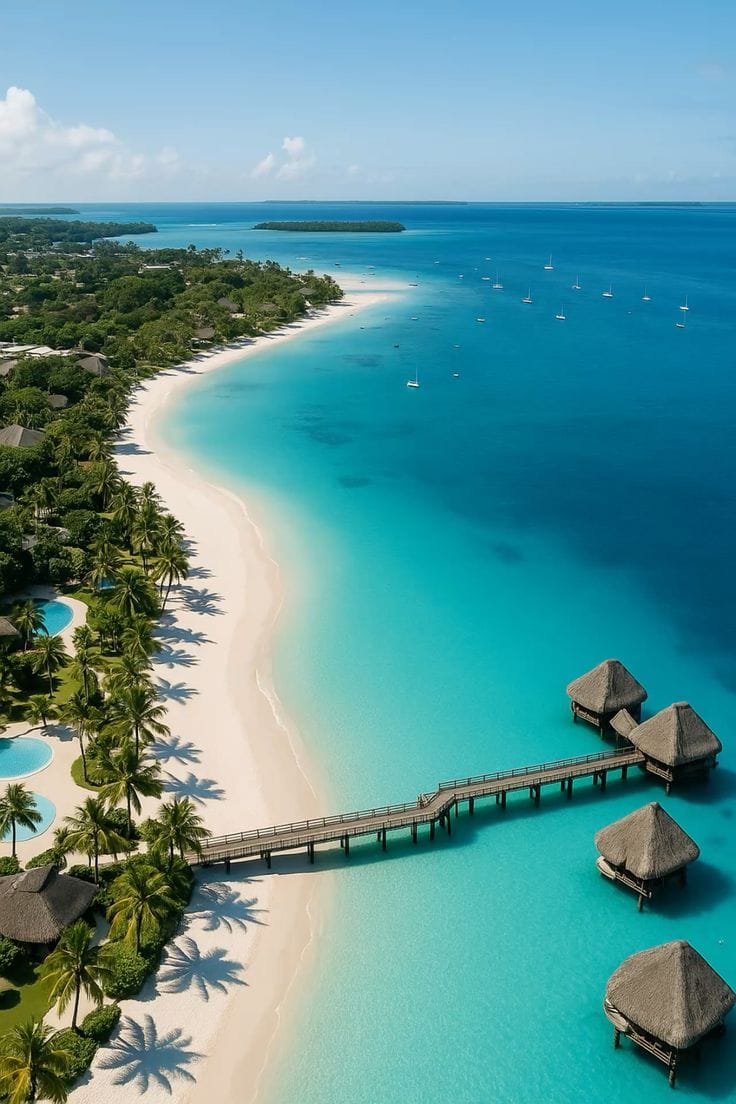
Expect settled, sunny weather across most of Ethiopia — crisp mountain mornings in the Simien and Bale highlands, dependable roads on the historical circuit, and drier conditions in the Omo Valley. The Danakil is at its least punishing in these months. In East Africa this window suits Kilimanjaro climbs and Zanzibar's beach season.

Best for: trekking, history, the Danakil & coast
Stay well

Health & safety first

Altitude is the main consideration when trekking in Ethiopia — we ascend gradually, build in acclimatisation and carry first-aid on the trail. Comprehensive insurance covering trekking activity is required for multi-day treks, and we confirm policy details before departure.

Health & Safety

Altitude, sensible precautions and travelling well.

Altitude Sickness

Understanding and managing high altitude.

Do it well

Practical essentials

Etiquette, responsible travel and tipping — the small things that make a journey smoother and more respectful.

Asked a hundred times

The questions a guide hears most

The answers our guides give most often on the trail and over the phone, collected in one place.

Most travellers fly into Addis Ababa, the main gateway. From there, domestic flights or scenic drives connect to trekking regions — Gondar for the Simien Mountains, Bahir Dar for Lake Tana, or onward to southern and eastern routes. We can arrange all transfers as part of your itinerary.

Yes — comprehensive travel insurance that covers trekking and outdoor activity is required for multi-day treks across Ethiopia. We'll ask for your policy details before departure.

Most nationalities need a visa to enter Ethiopia. Requirements and processes change, so please check with your nearest Ethiopian embassy or the official e-visa portal before travelling. We can help confirm current entry requirements when you book.

Send us an inquiry through the website, WhatsApp, phone or email. We'll confirm availability, tailor an itinerary, and send a clear confirmation. After a short planning conversation you're ready to go — we handle park permits, guides and logistics.

It depends on the route. Easy day walks and two-day nature tours suit most travellers; intermediate treks involve 4–8 hours of walking a day at altitude. Our extensive five-day traverse is the most demanding. We'll match a route to your fitness.

Stay in the loop

Ethiopia, seasons & new routes

A short seasonal note with trek conditions, wildlife spotlights and new itineraries — no spam, and easy to leave anytime.

Your journey starts here

Planning a trip across Ethiopia?

Tell us your dates and interests and we'll handle the practicalities — permits, guides, transport and sensible pacing.