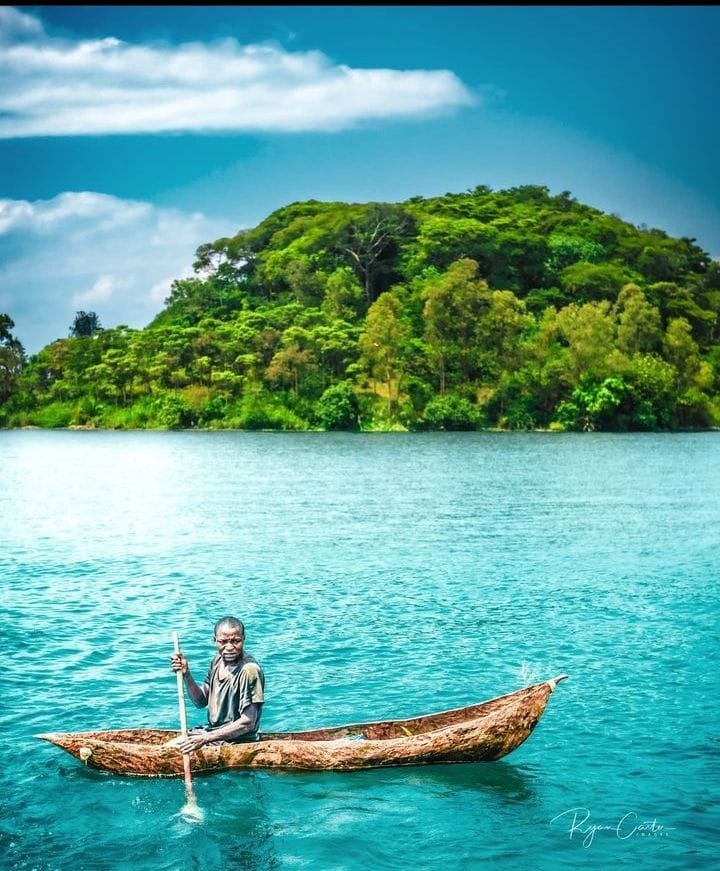
Lake Tana, at roughly 3,673 square kilometres Ethiopia's largest lake, pools the headwaters of the Blue Nile behind a volcanic barrier in the northern highlands. Scattered across its southern islands are some 20 monasteries, many centuries old, reached only by boat. Bahir Dar, on the southern shore, is the natural base.
The island monasteries
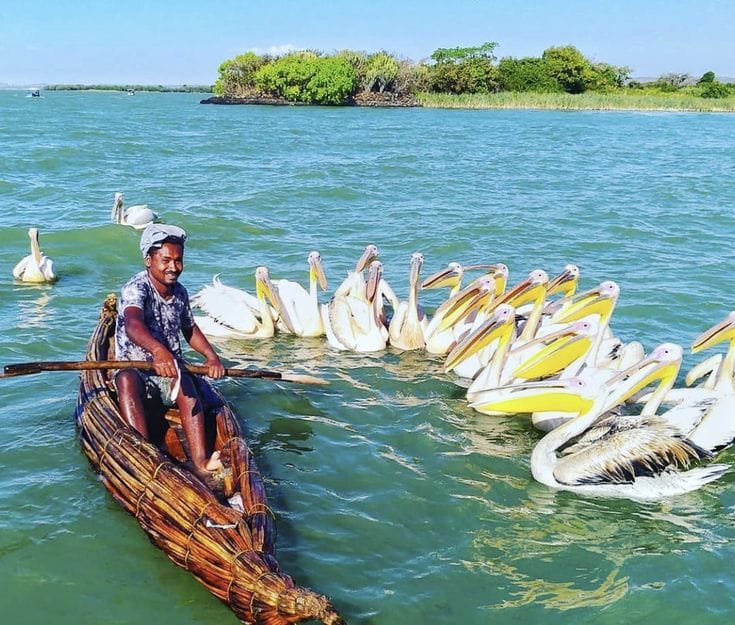
The most famous — Ura Kidane Mehret and Azwa Maryam, on the Zege peninsula — hold murals and manuscripts that survived centuries in isolation. The boat ride matters as much as the destination: papyrus tankwas, fishing villages and waterbirds in the reeds. A morning's circuit visits two monasteries and still leaves an afternoon free.
Blue Nile Falls: smoking water
The Blue Nile leaves Lake Tana, slides forty kilometres, and then commits itself to a 30-to-40-metre drop at Tis Issat — 'smoking water' — Ethiopia's grandest waterfall. The falls run fullest after the rains; in the dry season they divide into rivulets across the rock face. The walk in passes an old Portuguese stone bridge, adding history to the scenery.
The 17th-century Alata bridge
Not far from the falls stands a 400-year-old bridge said to have been built by Portuguese advisers to the imperial court. It is a small, architectural time capsule and a pleasant add-on to the falls excursion — evidence that travellers have followed this water for centuries.
Written by
Melese
A local guide with Simien Mountains Outstanding Nature Tours — every word in this journal comes from routes we lead for real.
 Share this article
Packed with detail?
Our advice is built from real routes we run every season. Tell us which places in this article caught your eye and we'll shape a tour around them.
Plan your trip around this guide