On this page
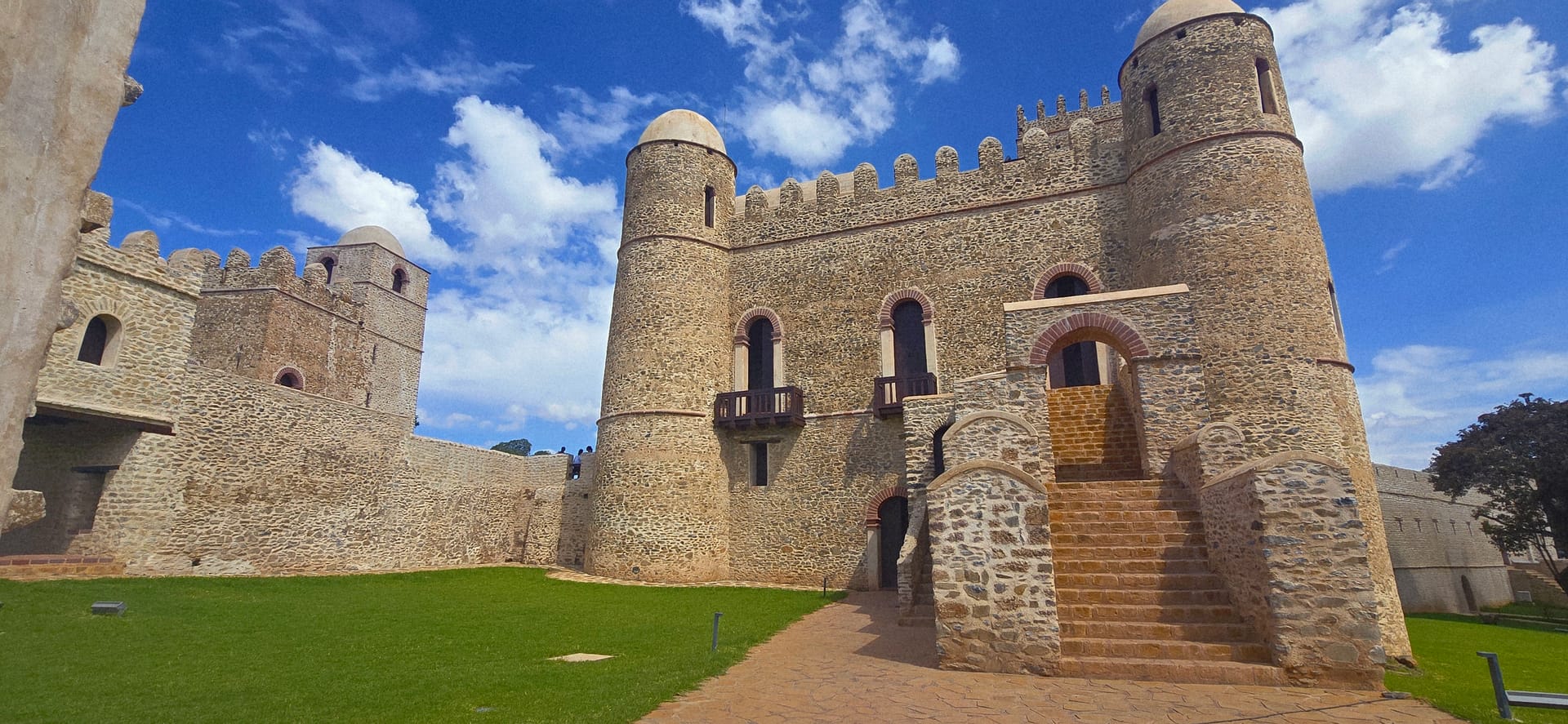
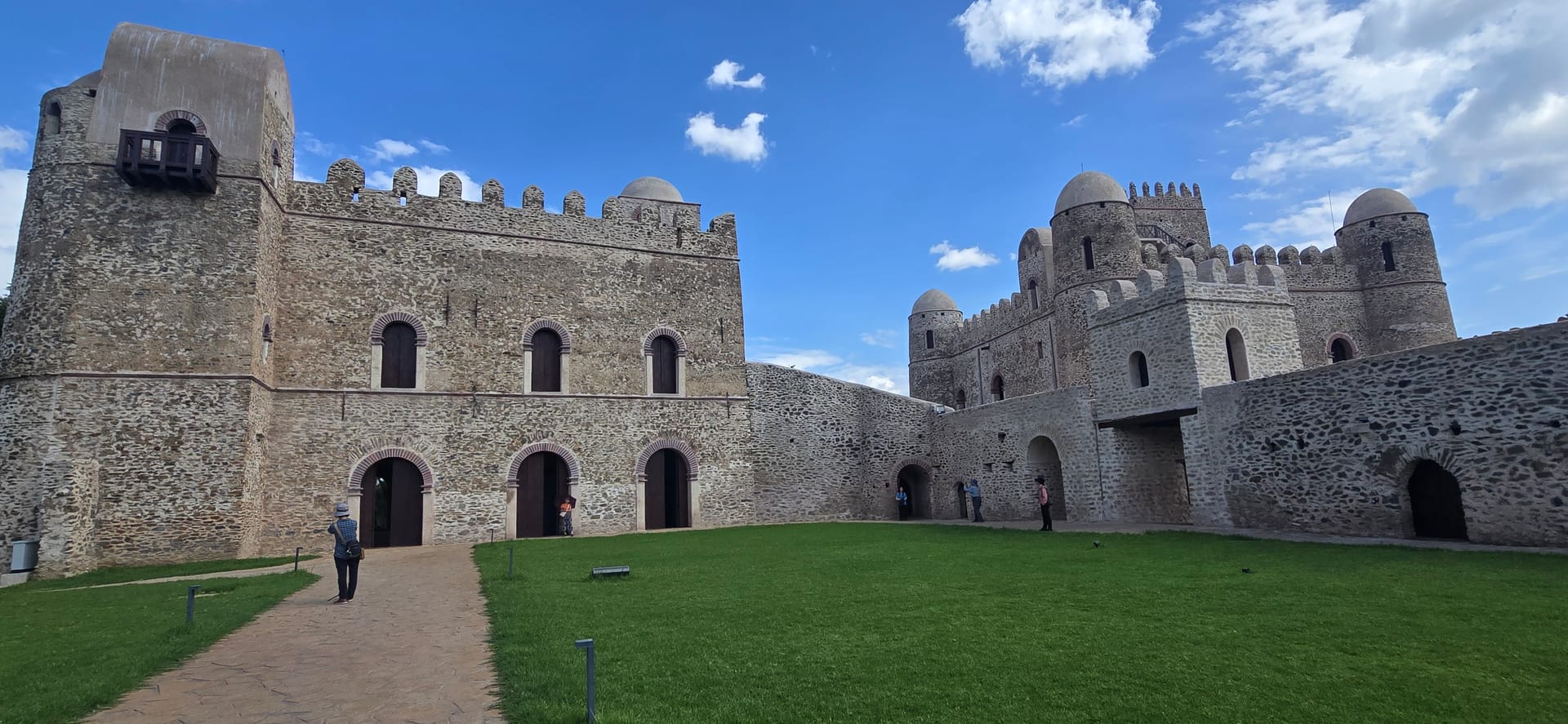
In the 17th century Emperor Fasiladas planted a capital on a highland plain north of Lake Tana and filled it with castles. Gondar kept that royal role for two centuries, and its walled Fasil Ghebbi — a UNESCO World Heritage site — remains the most castle-like place in Ethiopia.
The castle compound
Fasil Ghebbi gathers a dozen palaces and churches inside high stone walls. Fasiladas' own castle dominates — a square tower of brown basalt with a faint Portuguese flavour, the signature of the capital that imported builders from across the world. Allow unhurried hours; the rooms and staircases reward the curious.
The Bath of Fasiladas and Timket
A short walk from the compound is a rectangular stone pool built for the emperor's pleasure. Every January it floods again — for Timket, Epiphany — when the town processes down to restage the baptism of Christ and the pool becomes the stage of Ethiopia's most colourful festival.
The painted ceiling of Debre Berhan Selassie
Gondar's finest interior is a plain-looking church that hides a masterpiece: Debre Berhan Selassie's ceiling of hundreds of cherubim faces painted above walls of luminous biblical scenes. It is routinely called the most beautiful church painting in Ethiopia — and survives the claim.
Gateway to the escarpment
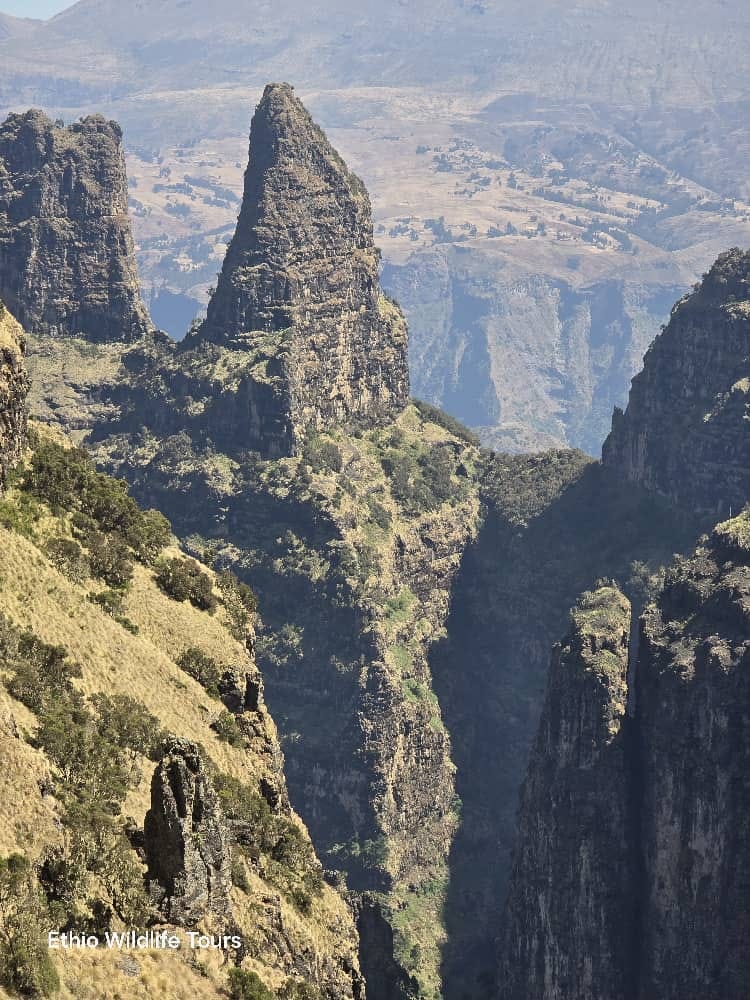
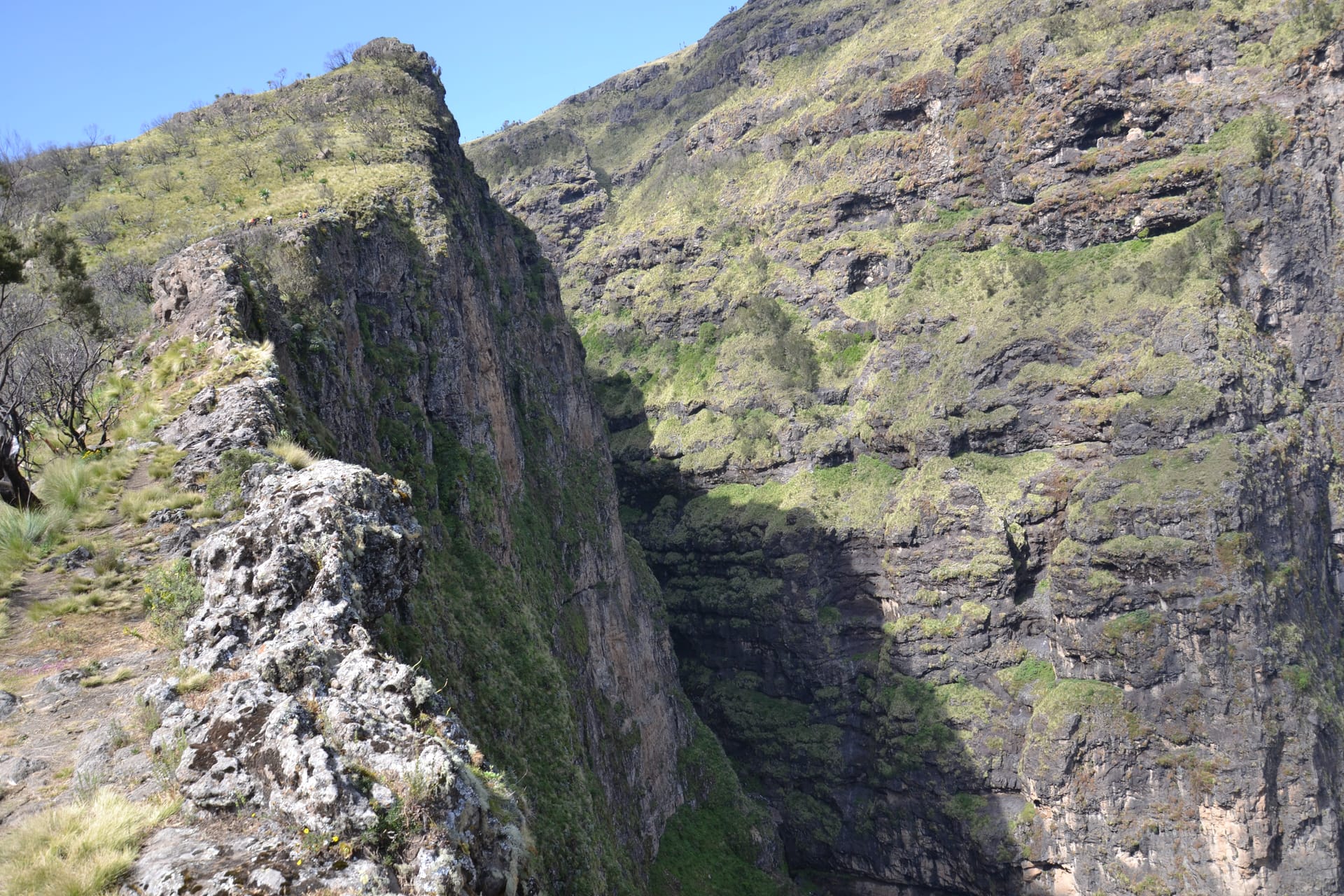
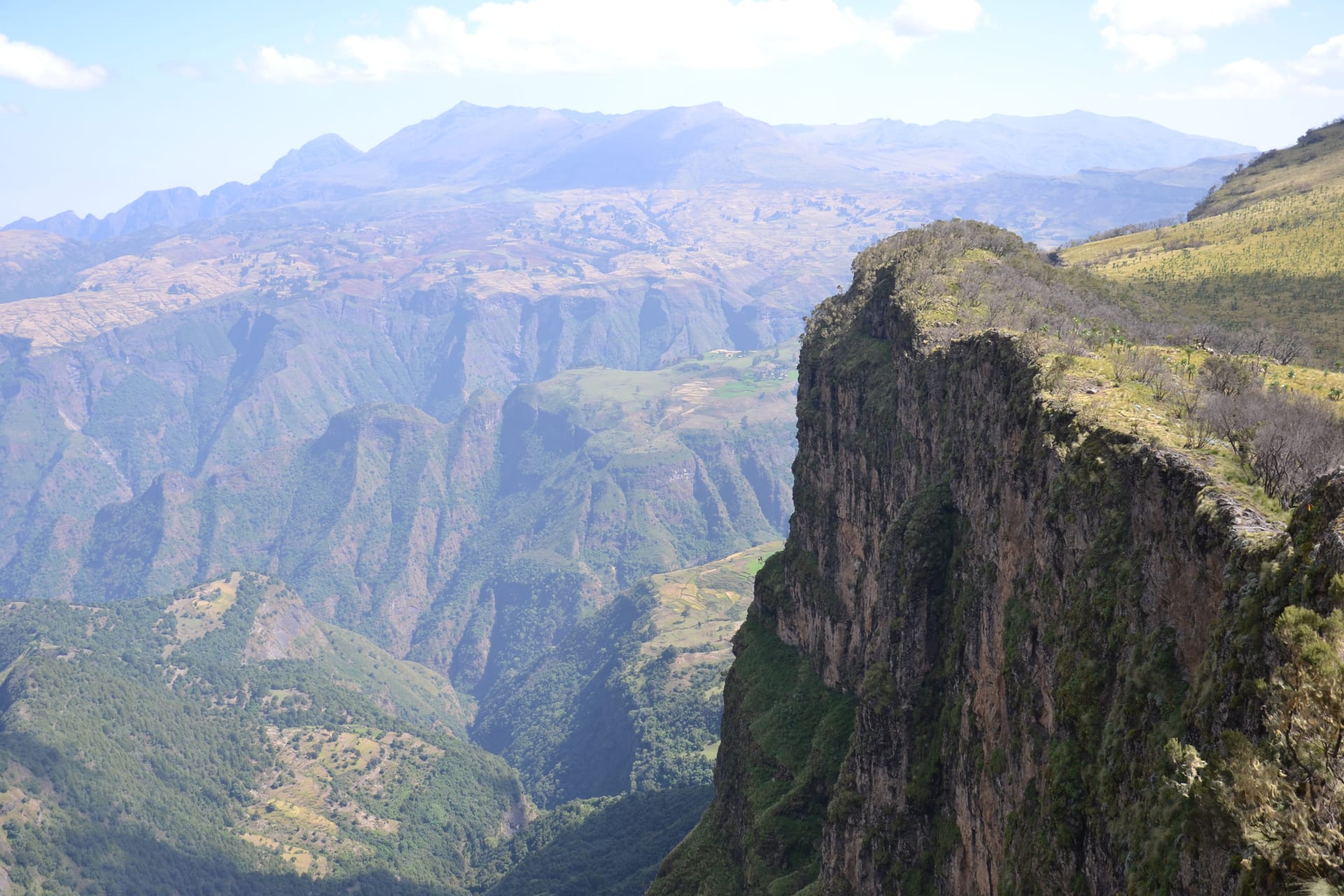
Gondar is also the operational base for the Simien Mountains — the park office at Debark is a half-day's drive away. A day of castles followed by a trek on the escarpment is the pairing our travellers love most; see it shaped on our Gondar, Bahir Dar and Lake Tana tour.
Written by
Melese
A local guide with Simien Mountains Outstanding Nature Tours — every word in this journal comes from routes we lead for real.
 Share this article
Packed with detail?
Our advice is built from real routes we run every season. Tell us which places in this article caught your eye and we'll shape a tour around them.
Plan your trip around this guide