Axum was the capital of an empire that traded with Rome, Persia and India, and its rulers believed they descended from Solomon and the Queen of Sheba. Today it is a modest highland town holding an outsized inheritance: the tallest stelae field in Africa and the most contested sacred object in Ethiopian history.
The stelae field
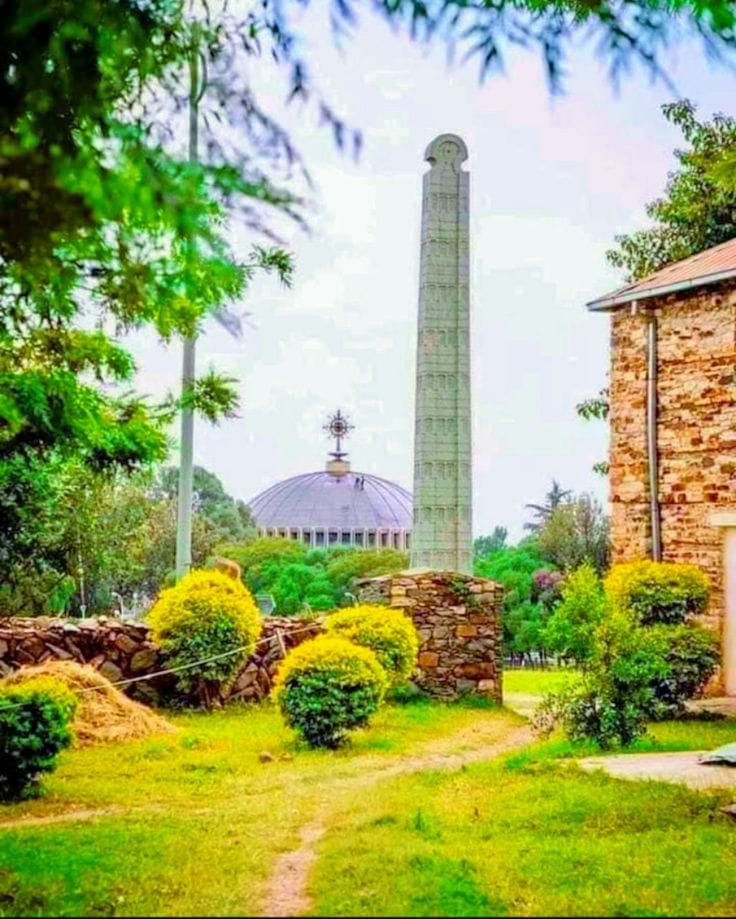
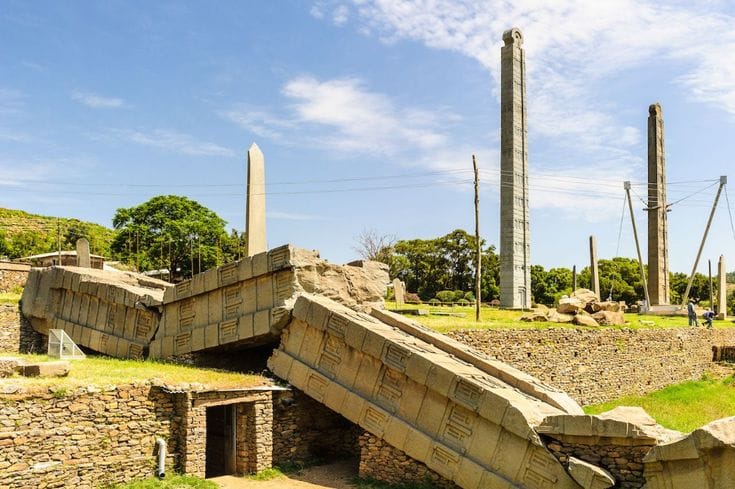
The granite monoliths of northern Axum were raised between the 3rd and 4th centuries as royal markers. The tallest standing stone — the Great Stele — reaches over 23 metres, while its even larger neighbour lies toppled nearby, a monument broken in the very act of being erected. Dawn here is quiet, empty of crowds, and worth the early alarm.
St Mary of Zion and the Ark
Ethiopian tradition holds that Menelik I, son of Solomon and the Queen of Sheba, brought the Ark of the Covenant to Axum. Its presumed home is now guarded within the precincts of St Mary of Zion, where a single guardian monk lives alongside it, never leaving the compound. Visitors will not see the Ark itself; they will feel why the site is sacred.
An empire below and beyond
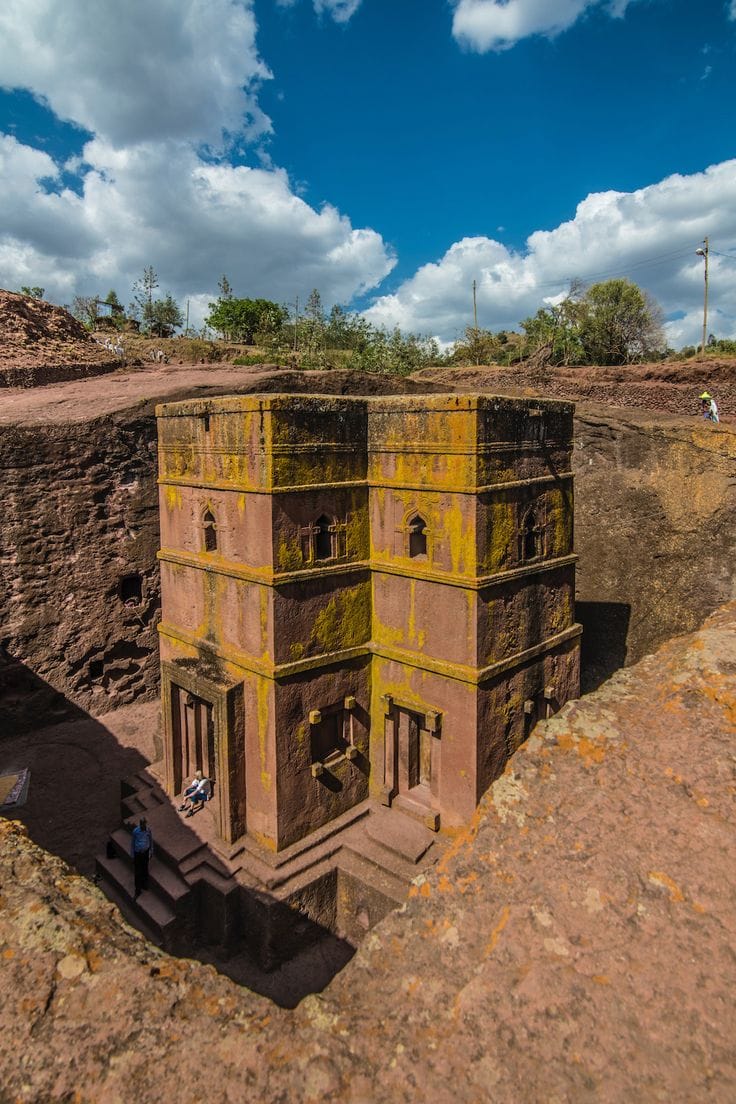
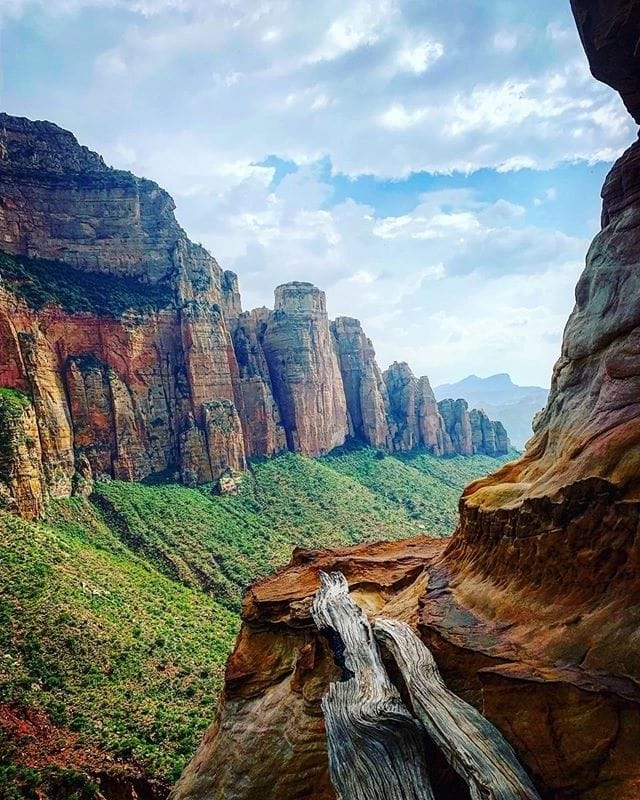
The old town hides tombs and the ruins of Queen Sheba's palace, while scattered across the plateau are the rock-hewn churches of Tigray — some 120 of them, many active and reachable only by foot or ladder. Our Axum and Tigray tour pairs the city with these cliff churches and the Danakil beyond, one of the most complete ancient journeys in Ethiopia.
Written by
Melese
A local guide with Simien Mountains Outstanding Nature Tours — every word in this journal comes from routes we lead for real.
 Share this article
Packed with detail?
Our advice is built from real routes we run every season. Tell us which places in this article caught your eye and we'll shape a tour around them.
Plan your trip around this guide